Supplemental
Vocabulary
Jewish Ethics
Musar / Middot · Jewish Ethics and Values
The core values that organize Jewish moral life and obligation.
Tip: hover (or tap) any underlined word for a quick definition.
Lesson video · Jewish Ethics
1
The basics
Name, translation, date and length — the facts to have by heart.
Name and timing
- Hebrew name
- Musar / Middot
- English translation
- Jewish Ethics and Values
- Date / timing
- Ongoing
- Length
- Ongoing
2
Meaning and story
Why this exists, what happened, and the values it carries.
What it means
- Jewish ethics begins with B'tzelem Elohim — every person is created in the image of God.
- Obligation is expressed through and , and lived through deeds of loving-kindness.
Story and history
- Judaism organizes itself around God, Torah and Israel, with the idea of a chosen people understood as chosen for obligation.
Major themes and values
- B'tzelem Elohim and the sanctity of life
- Love your neighbor
- God, Torah and Israel
- Chosenness as obligation
- Free choice and responsibility
3
Practice
Rituals, symbols, prayers and foods — and the reason behind each.
Rituals and observances
- — righteous giving.
- — acts of loving-kindness.
- — the study of Torah.
- — repair of the world.
Why we do these rituals
- Because every person bears the image of God, ethical obligation is not optional but structural.
- is justice, not charity: it is owed.
- Study leads to action.
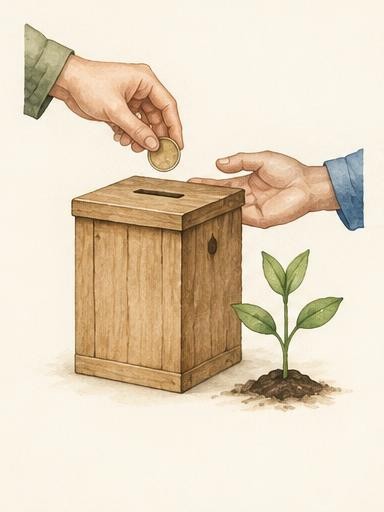
Symbols and what they mean
- Tzedakah box
- Giving as a regular obligation, not an impulse.
Important prayers and readings
- Blessings and study of ethical texts
4
Words to know
The Hebrew vocabulary for this topic.
Vocabulary
- B'tzelem Elohim
- In the image of God.
- Tzedakah
- Righteous giving; justice.
- Mitzvah
- Commandment; obligation.
- Halakhah
- Jewish law; the way one walks.
- Gemilut chasadim
- Acts of loving-kindness.
- Tikkun olam
- Repair of the world.
- Talmud Torah
- The study of Torah.
- Pikuach nefesh
- Saving a life, which overrides almost all other commandments.
- Lashon hara
- Harmful speech about others — it may be considered even when the statement is true.
- Kavod habriyot
- Human dignity.
- Hakarat hatov
- Recognizing the good; gratitude.
- Dina d'malchuta dina
- The law of the land is the law.
- Chesed / Rachamim
- Loving-kindness and compassion.
5
Beth Din prep
Answer these out loud before you sit down with the rabbis.
What I should be able to explain to the Beth Din
1Explain B'tzelem Elohim and what follows from it.
Answer:B'tzelem Elohim means every person is created "in the image of God." So every human life has equal dignity and worth and must be treated with respect.2Explain as justice rather than charity.
Answer: comes from tzedek, "justice." Giving isn't optional generosity; it's an obligation — doing what's right. The highest level helps someone become self-sufficient.3Explain and .
Answer:: saving a life overrides almost every other commandment, even Shabbat. : "evil tongue" — harmful gossip, forbidden even when true.4Explain and .
Answer: is "repairing the world" — our partnership with God to make the world better. is the of Torah study, a lifelong obligation that leads to action.