Shemini Atzeret
Shemini Atzeret · Eighth Day of Assembly
A distinct festival following Sukkot, marked by the and .
Tip: hover (or tap) any underlined word for a quick definition.
Lesson video · Shemini Atzeret
Beth Din priority
Shemini Atzeret
- When
- September–October; 22 Tishrei, immediately after the seven days of Sukkot. This is the “eighth day” in the sequence, but a separate festival. In the Simchat Torah follows on 23 Tishrei; in Israel they share the day.
- Why
- A distinct festival of assembly at the close of the Sukkot season; do not count it as an eighth day of Sukkot itself.
- How and what it means
- Recite the and , the memorial prayers for the dead.
The basics
Name, translation, date and length — the facts to have by heart.
Name and timing
- Hebrew name
- Shemini Atzeret
- English translation
- Eighth Day of Assembly
- Time of year
- Fall (September–October), at the end of Sukkot
- Date / timing
- 22 Tishrei in Israel (where it coincides with Simchat Torah); in traditional diaspora observance Shemini Atzeret begins 22 Tishrei with Simchat Torah the next day, 23 Tishrei
- Length
- 1 day
- Historical reason
- A separate festival appended to the close of Sukkot.
Meaning and story
Why this exists, what happened, and the values it carries.
The story, told as a story
Read this first — it connects the symbols, rituals and words below.
When Sukkot ends, there is one more day. is a separate festival added at the close of Sukkot — a lingering extra day of closeness at the end of the Sukkot season.
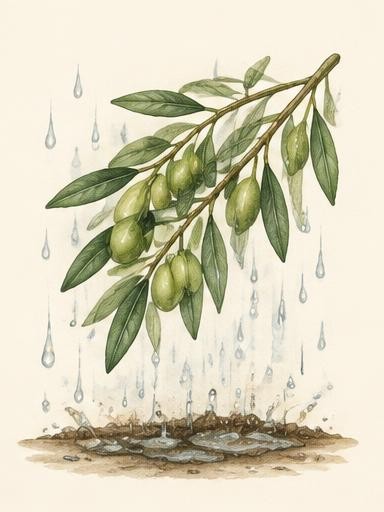
It is also the turning point of the agricultural year. The harvest is in and it is time to plant the new seeds, so we gather and pray for rain — the (Geshem) ties the holiday to the Land of Israel's rainy season. The day then flows straight into Simchat Torah.
What it means
- is the Eighth Day of Assembly — the eighth day of the Sukkot season.
- Although it follows Sukkot, it is a distinct festival in its own right.
Story and history: key points
- It functions as a lingering extra day of closeness at the end of the Sukkot season.
- It is also the turning point in the agricultural year: the time to plant the new seeds, so we assemble and pray for rain.
Major themes and values
- Distinctness of the eighth day
- Rain, season and sustenance
- Memory
Practice
Rituals, symbols, prayers and foods — and the reason behind each.
Rituals and observances
- We assemble and pray for rain (Geshem).
- — memorial prayers, remembering those who have passed on.
Why we do these rituals
- The relates to the rainy season in the Land of Israel and marks the turn of the agricultural season as new seeds are planted.
- is said four times a year, on the last days of the festivals (, the last day of Pesach, Shavuot and Yom Kippur), because that is when we miss people the most.
Symbols and what they mean
- Prayer for rain
- Turning of the agricultural season and time to plant; dependence on God for sustenance.
Important prayers and readings
Foods
- Festival meals
Words to know
The Hebrew vocabulary for this topic.
Vocabulary
- Shemini Atzeret
- Eighth Day of Assembly; a distinct festival after Sukkot.
- Yizkor
- Memorial prayers for those who have died, said four times a year.
Beth Din prep
Answer these out loud before you sit down with the rabbis.
What I should be able to explain to the Beth Din
1That is its own festival, not simply the last day of Sukkot.
Answer:"The Eighth Day of Assembly" comes right after Sukkot but is a separate holiday: no or — an extra day to linger with God after the festival.2Why we assemble and pray for rain, and why is said on this day.
Answer:It begins Israel's rainy season, so we start praying for rain for the coming crops. , the memorial prayer, is said as on other major festivals, remembering loved ones who have died.