Tisha B'Av
Tisha B'Av · The Ninth of Av
A fast of mourning for the destruction of the Temples and the turn to rabbinic Judaism.
Tip: hover (or tap) any underlined word for a quick definition.
Lesson video · Tisha B'Av
Beth Din priority
Tisha B’Av
- When
- July–August; 9 Av; one day, with the fast deferred if the ninth falls on Shabbat.
- Why
- Mourn the destruction of both Temples in Jerusalem and the loss of Jewish sovereignty: the First Temple by the Babylonians in 586 BCE, the Second by the Romans in 70 CE.
- How and what it means
- Fast when medically safe and read the Book of (), giving words to mourning and destruction.
The basics
Name, translation, date and length — the facts to have by heart.
Name and timing
- Hebrew name
- Tisha B'Av
- English translation
- The Ninth of Av
- Time of year
- Summer (July–August)
- Date / timing
- 9 Av; the fast is postponed to the following day when 9 Av falls on Shabbat
- Length
- 1 day (fast)
- Historical reason
- Destruction of the First and Second Temples.
Meaning and story
Why this exists, what happened, and the values it carries.
The story, told as a story
Read this first — it connects the symbols, rituals and words below.
Tisha B'Av, the ninth of Av in the summer, remembers the destruction of both Temples: the First Temple by the Babylonians in 586 BCE, and the Second by the Romans in 70 CE. The — the Temple — was the center of Jewish worship, and its loss was a catastrophe that the prophets Jeremiah and Ezekiel speak to and from.
Tradition attributes the destruction in part to , baseless hatred among Jews. Masada stands in memory of the last resistance. Yet the story does not end in despair: Yochanan ben Zakkai secured , where Judaism was rebuilt around study and prayer — the Judaism we practice today.
What it means
- Tisha B'Av mourns the destruction of both Temples in Jerusalem.
Story and history: key points
- The — the Temple — was destroyed; Jeremiah and Ezekiel speak to and from that catastrophe.
- Tradition attributes the destruction in part to , baseless hatred.
- Masada stands in memory of the last resistance.
- Yochanan ben Zakkai secured , where Judaism was rebuilt around study and prayer.
Major themes and values
- Mourning the destruction of the Temples and the loss of independence
- The fragility of our world — a glass house that can be wiped out
- The increased centrality of rabbinic teaching, synagogue life, and prayer after the Temple's destruction
- Baseless hatred and its consequences
Practice
Rituals, symbols, prayers and foods — and the reason behind each.
Rituals and observances
- .
- Reading , the Book of .
- Practices of mourning.
Why we do these rituals
- Reading gives national grief a voice.
- The fast keeps historical catastrophe present rather than abstract: we mourn the destruction of the Temples and the loss of Jewish independence, and the tragedies that have fallen on the Jewish people.
- The day represents the fragility of our world — we live in a glass house, and even a strong house can be wiped out. There is a lot of broken glass in the world.
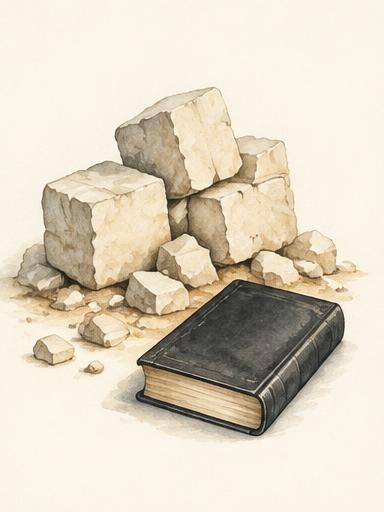
Symbols and what they mean
- Eichah / Lamentations
- The voice of mourning over Jerusalem.
- Beit Mikdash
- The Temple whose loss is mourned.
Important prayers and readings
- ()
- Kinot / mourning liturgy
Foods
- A fast day — no food or drink
Words to know
The Hebrew vocabulary for this topic.
Vocabulary
- Eichah
- The Book of .
- Sinat chinam
- Baseless hatred.
- Beit Mikdash
- The Temple in Jerusalem.
- Yavneh
- The academy established by Yochanan ben Zakkai.
Beth Din prep
Answer these out loud before you sit down with the rabbis.
What I should be able to explain to the Beth Din
1What Tisha B'Av mourns and what is read.
Answer:It mourns the destruction of the First and Second Temples and other tragedies of Jewish history. We fast and read the Book of (Eicha).2How Judaism changed after the Temple: the increased centrality of rabbinic teaching, synagogue life, and prayer (not that prayer began only then or that priests simply disappeared).
Answer:Without the Temple, Judaism moved from sacrifice to prayer, from priests to rabbis and from one central Temple to synagogues, study and the home — which let it survive in exile.3Who Yochanan ben Zakkai was and why matters.
Answer:A rabbi who escaped besieged Jerusalem and got permission from the Romans to set up a school at . There rabbinic Judaism was rebuilt around study and prayer, saving Judaism after the Temple fell.
Key points to be ready to explain
The core ideas of this topic in brief — the things to be able to say in your own words.
- When
- Summer (July–August). 9 Av; the fast is postponed to the following day when 9 Av falls on Shabbat · Length: 1 day (fast)
- Why
Destruction of the First and Second Temples.
Tisha B'Av mourns the destruction of both Temples in Jerusalem.
- How
- .
- Reading , the Book of .
- Practices of mourning.
Key symbols: Eichah / Lamentations · Beit Mikdash
- Tisha B'Av falls in the summer. The ninth of Av marks the destruction of both Temples: the first by the Babylonians in 586 BCE, the second by the Romans in 70 CE.